2026-09-10 · 6 min read
Gym Owners: How to Add a High-Margin Retail Line Without Extra Overhead
A practical look at how gym and studio owners can add a wellness retail line at the front desk without adding staff or complexity.
Most gym and studio owners have already thought about a front-desk retail shelf and then talked themselves out of it — too much upfront inventory risk, one more thing to manage, one more vendor relationship to babysit. Fair concerns. But the math on a small, curated wellness shelf changes when you're not the one warehousing, shipping, or billing anything.
Why retail makes sense for a gym or studio specifically
You already have the two hardest parts of retail solved: foot traffic and trust. Members walk past your front desk multiple times a week, and they already trust your judgment about fitness and recovery — that's exactly the audience a wellness brand wants to reach, and exactly the audience that's already primed to ask "what should I be taking?" A retail shelf turns a conversation you're already having into a transaction.
The overhead question, honestly answered
The real overhead in retail is usually staffing, shipping, returns, and customer service — not the shelf itself. Becoming a B:HIP distributor sidesteps most of that: you purchase a starter kit of inventory up front (about 24 units, roughly $1,800 USD), then reorder on your own schedule based on what actually sells. There's no separate fulfillment team to hire and no customer support queue to run — B:HIP's own team handles order and billing questions for products purchased through their system.
What actually fits on a gym-floor shelf
- Pre-training energy: a thermogenic coffee like b:fire is a natural fit near the front desk for members grabbing something before a session.
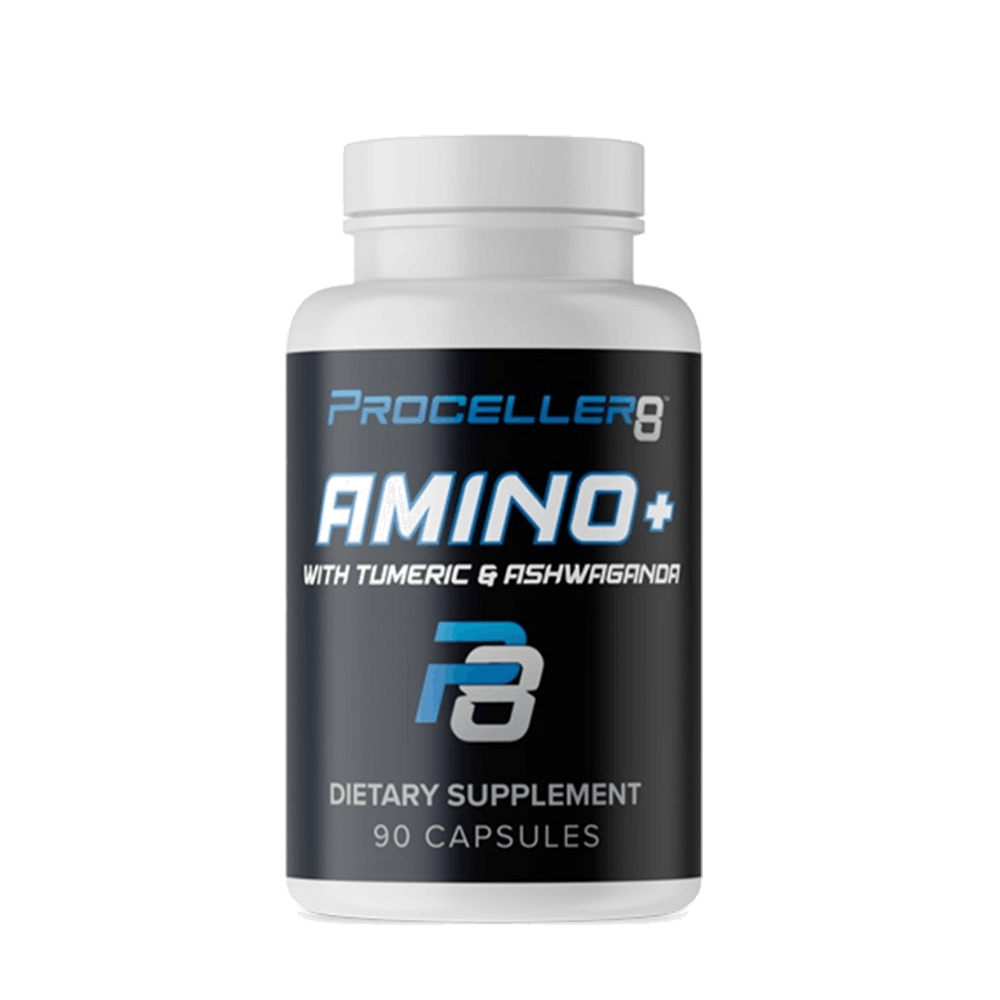
- Post-training recovery: P8 Amino+ speaks directly to the member who's already asking about recovery and joint mobility between sessions.
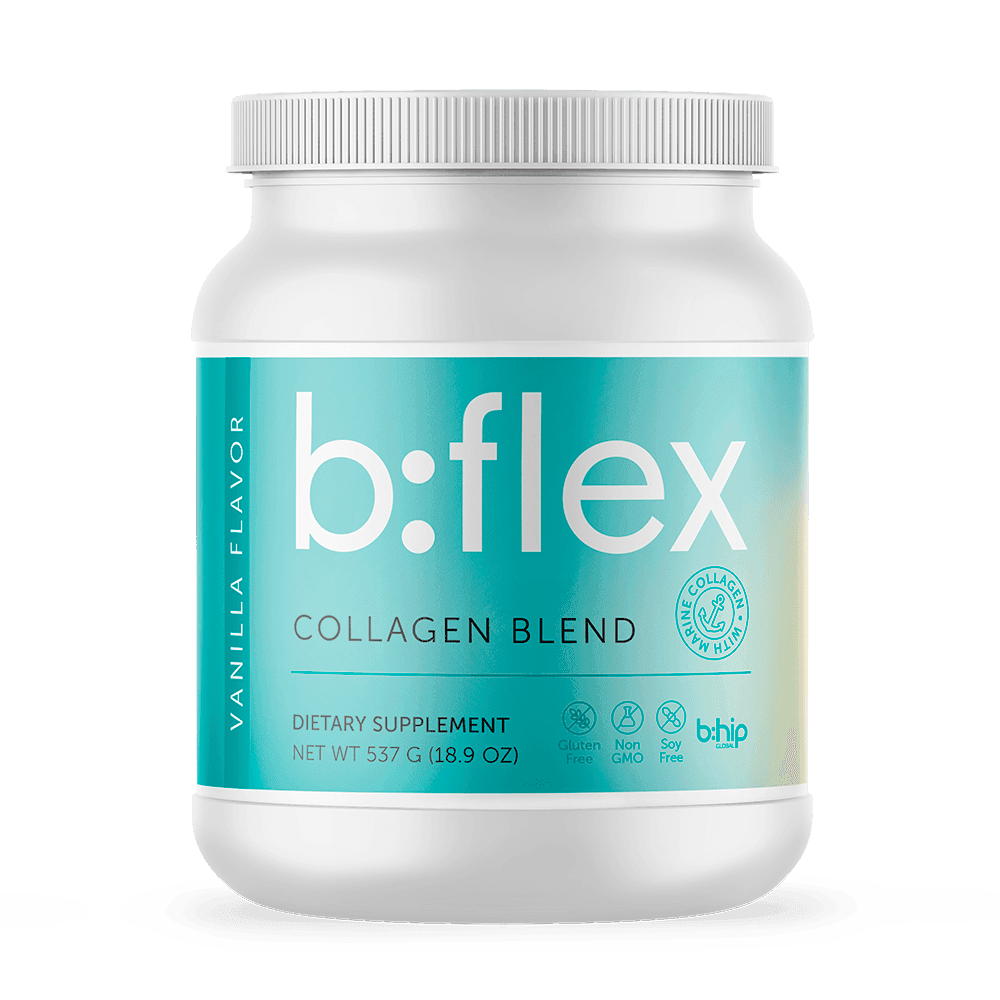
- Everyday wellness: a collagen blend like b:flex appeals to the members — often your most loyal, most consistent ones — who think about joint and skin support as part of long-term training, not just the workout itself.
Starting small and low-risk
You don't need to fill a wall of shelving on day one. A lot of gym and studio owners start with a handful of SKUs near checkout, let members ask questions naturally, and expand based on what actually moves. Treat the first month as a listening exercise — what do members ask for unprompted — rather than trying to predict demand from scratch.
What this isn't
This isn't a promise of a specific income or a guaranteed sell-through rate — retail results vary by gym, membership base, and how the shelf is presented, and we won't pretend otherwise. It's a real, low-complexity way to add a product line that fits a fitness business without adding headcount or new systems. If you're weighing it seriously, look at your own foot traffic and member conversations first — that's a better predictor than anything a brand can promise you.