2026-09-10 · 6 min read
Is B:HIP a Pyramid Scheme? What Every Skeptical Shopper Should Know
A fair, direct look at how B:HIP's distributor model actually works, and the real difference between a referral-based business and a pyramid scheme.
If you searched "is B:HIP a pyramid scheme," good — that's exactly the right question to ask before you buy anything or sign up for anything. Any company built around a referral or distributor structure deserves a skeptical look, and you shouldn't have to take a stranger's word for it on social media. Here's a straight answer, no spin.
The short answer
No. B:HIP is not a pyramid scheme. It's a referring-member / distributor model: real products get sold to real customers, and anyone can buy directly — no recruiting, no downline, no sign-up required. That single fact is the dividing line between this kind of business and an actual pyramid scheme, and it's worth understanding why.
What actually makes something a pyramid scheme
A true pyramid scheme has a specific, well-documented structure: money flows mainly from recruiting new members, there's little or no real product being sold to actual outside customers, and the only way to "make money back" is to recruit more people beneath you, who then have to recruit more people beneath them. Eventually the pool of recruitable people runs out and everyone at the bottom loses money. Regulators like the FTC define it this way for a reason — the product is a prop, and recruitment is the real transaction.
How B:HIP's model is different
- You can buy B:HIP products outright, one time, with no obligation to recruit anyone or join anything — the same as shopping at any online store.
- Distributors purchase an initial starter kit and real, sellable inventory — not a recruiting fee disguised as a product.
- After the starter kit, distributors reorder products on their own schedule based on what they actually sell or use, not based on building a downline.
- Becoming a distributor is optional. Most people who buy B:HIP products are simply customers, not part of any distributor structure at all.
Why the confusion happens anyway
Referral and distributor models get lumped in with pyramid schemes constantly, partly because both involve a network of people sharing links and partly because a small number of bad actors in this space really have run recruitment-first schemes. That history makes healthy skepticism reasonable. The way to tell the difference isn't the existence of a referral link — it's whether a real product changes hands for a fair price, and whether buying it requires recruiting anyone. With B:HIP, it doesn't.
What we won't tell you
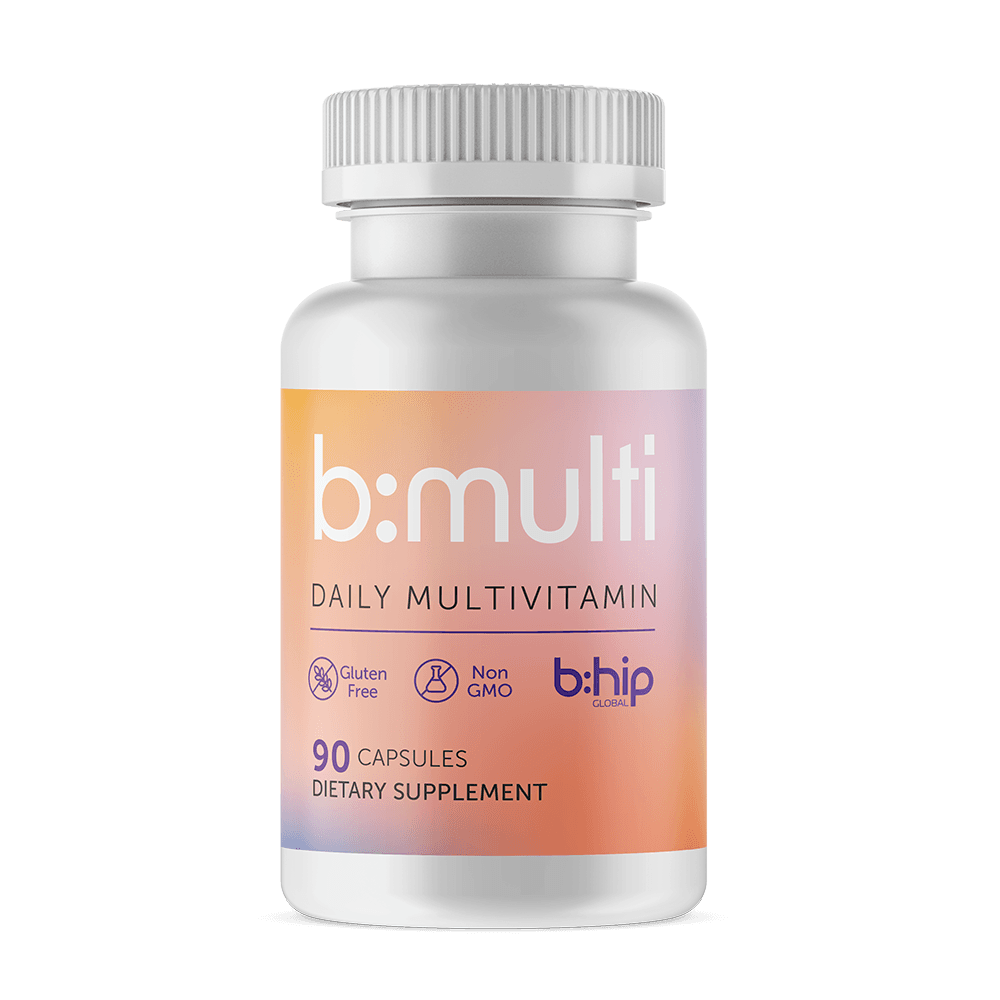
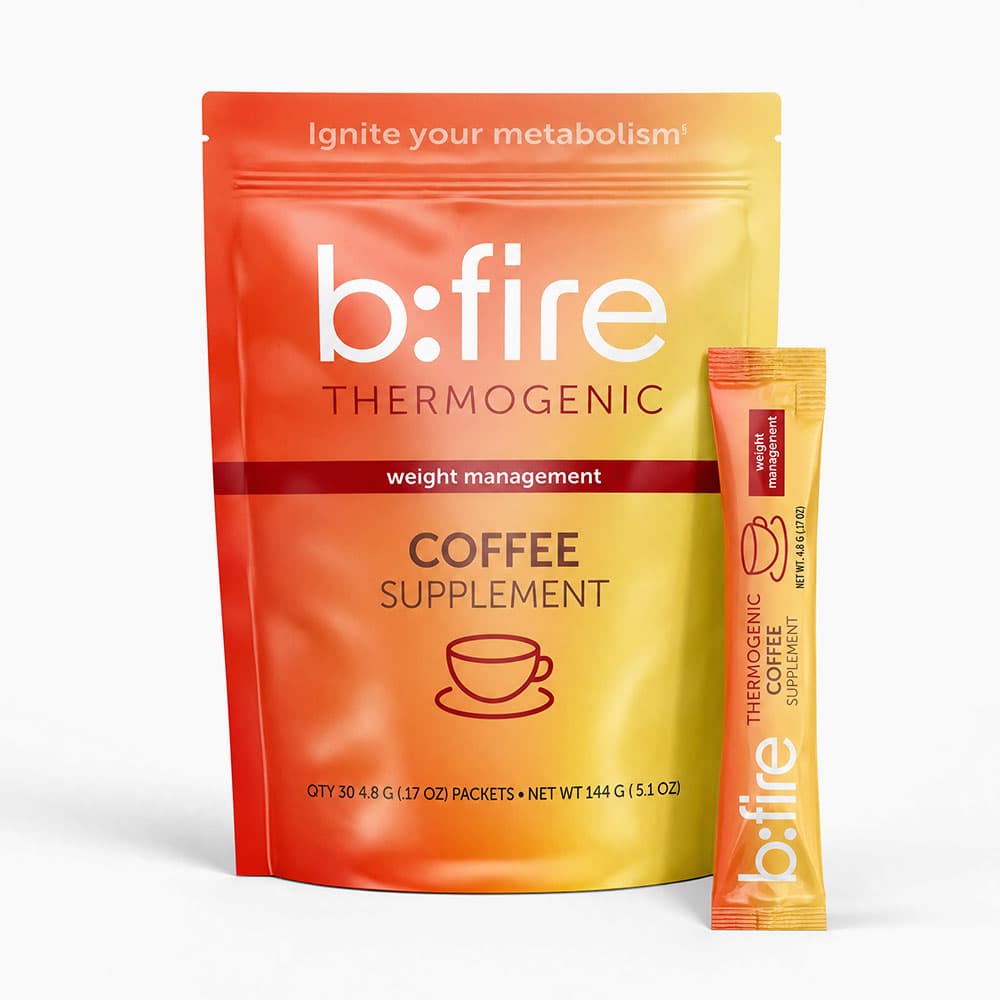
We're not going to promise you'll get rich as a distributor, and anyone who does should be a red flag on its own. Distributing takes real effort — building relationships, restocking, actually selling product — the same as any small retail side business. If you're just here to buy a multivitamin or a thermogenic coffee for yourself, that's the whole transaction: no membership, no recruiting, no fine print.
As with any supplement purchase, these are dietary supplements, not a guaranteed health or income outcome — read the label, and talk to your doctor before starting anything new if you have questions about how a product fits your routine.